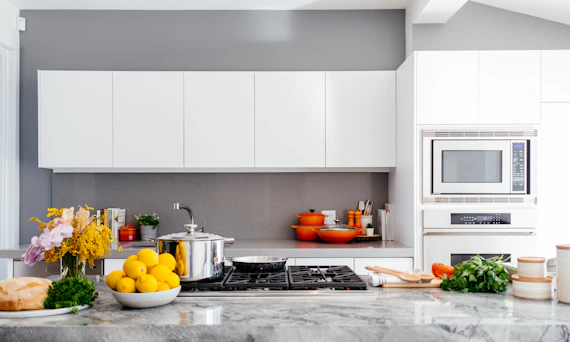
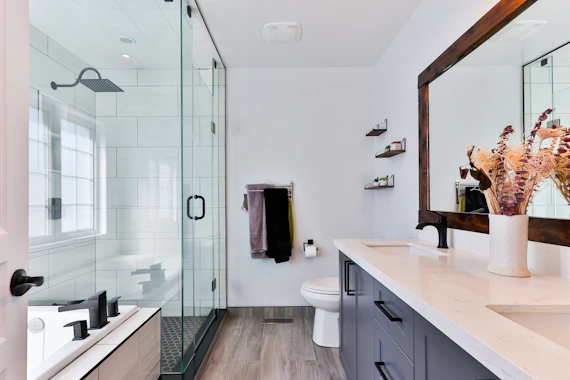
Start with visual weight.
Heavy, mixed, or oversized items create instant visual noise. Move bulk storage into cabinets, bins, laundry hampers, or washing machine racks. Keep open shelves for the most useful and best-looking essentials only.
Organora Method
A refined room-by-room guide for creating a calmer, more functional home with thoughtful storage choices, clean visual rhythm, and everyday systems that feel easy to maintain. Built for modern kitchens, bathrooms, laundry rooms, entryways, vanities, and compact living spaces.
Organora approaches home organization as a design system: reduce friction, assign every item a clear home, and choose storage pieces that blend into the room instead of overwhelming it.
Heavy, mixed, or oversized items create instant visual noise. Move bulk storage into cabinets, bins, laundry hampers, or washing machine racks. Keep open shelves for the most useful and best-looking essentials only.
Think in verbs: cooking, washing, grooming, leaving, returning, cleaning, refilling, and resetting. Cabinet organizers, drawer organizers, shower caddies, and cosmetic organizers should sit where the action happens.
Height is valuable, but overstacking creates clutter. Add bathroom shelves, shoe racks, and washing machine racks where they open unused vertical space while still leaving the room breathable and easy to clean.
Every space needs a simple end-of-day return system. A basket for laundry, a tray for vanity essentials, a rack for shoes, and containers for pantry items turn organization into a habit instead of a weekend project.
Room-by-Room Direction
The most successful organizing systems are specific. A kitchen needs visibility and refill control. A bathroom needs moisture-friendly access. A laundry room needs sorting capacity. An entryway needs a clean drop zone before clutter reaches the rest of the home.
Use cabinet organizers for cookware, food storage containers for pantry clarity, and drawer organizers for utensils, wraps, tools, and small daily items.
Bathroom shelves and shower caddies keep bottles, towels, skincare, and bath essentials accessible while protecting surfaces from crowding.
Laundry hampers and washing machine racks create a smoother wash routine, reducing piles and giving detergents, towels, and supplies a defined home.
Shoe racks create a clean landing zone, while compact organizers help small everyday items stay ready without spreading across counters.
Product System
These storage categories work together as a complete home organization system. Each one solves a different type of clutter: hidden bulk, exposed surfaces, narrow rooms, routine supplies, small items, and daily return points.
Ideal for cookware, pantry overflow, under-sink supplies, and deep cabinet spaces that need structure, visibility, and easier reach.
Create a clearer pantry and fridge routine with stackable formats that make refilling, labeling, and everyday meal prep easier.
Bring order to utensils, tools, cosmetics, accessories, office items, and small essentials that become clutter when left loose.
Use vertical wall space for towels, skincare, toiletries, and bath items while keeping vanities and counters clean.
Keep shampoos, soaps, razors, and bathing essentials lifted, grouped, and ready inside the shower without crowding corners.
Support daily sorting with a clean landing place for clothes, towels, bedding, and room-by-room laundry collection.
Maximize laundry room height with storage for detergents, baskets, cleaning products, dryer sheets, and folded linens.
Turn the entryway into a defined transition zone and keep footwear visible, ventilated, and easy to return.
Refine vanity routines with sections for skincare, makeup, brushes, fragrance, and daily grooming essentials.
Daily Rhythm
The goal is not perfection. The goal is a repeatable rhythm that makes the home easy to reset. When storage supports natural behavior, organization becomes quiet, beautiful, and sustainable.
Place coffee, breakfast containers, skincare, towels, and daily shoes where they can be reached without searching.
Use trays, caddies, and drawer dividers so small items do not spread across counters, desks, vanities, or tables.
Return shoes, laundry, pantry items, cosmetics, and bath products to clearly assigned homes before visual clutter builds.
Remove expired items, empty containers, unused toiletries, broken accessories, and seasonal extras that weaken the system.
Guide Questions
These answers are designed for real homes, not staged rooms. Use them to choose the right storage format, avoid overbuying, and create a system that looks elevated while staying easy to maintain.
Start with the room that creates the most daily friction. For most homes, that is the kitchen, bathroom, laundry area, or entryway. Choose one zone, reduce excess, then add the right organizer only after you understand what needs to stay.
Use hidden storage for bulk, duplicates, seasonal items, and visual clutter. Use visible storage for frequently used essentials that benefit from fast access, such as shower products, pantry staples, towels, daily shoes, and cosmetics.
A premium system feels intentional. It uses consistent spacing, calm surfaces, durable materials, restrained color, clear categories, and a layout that supports movement through the room without looking crowded.
Use vertical storage, stackable containers, slim racks, wall shelves, and organizers that separate small items. Avoid filling every surface. Breathing room is part of the design, especially in bathrooms, laundry rooms, and entryways.
Daily resets should take only a few minutes. Deeper edits can happen weekly or monthly depending on the room. Pantry containers, laundry supplies, cosmetics, and bathroom shelves benefit from regular quick reviews.
Measure the space first, group the items second, then choose the organizer third. The best product is not always the largest one. It is the one that matches the exact routine, space, and category you are organizing.
836A Mohawk Drive, Lowell, IN 46356, United States